Que Syrah
August 26, 2026
Peter Molnar
Wine people love to talk about ‘epiphany wines’ – those hyperbolic stories about tasting something so special it triggers an insight or passion that led them to pursue wine.
We are a bit skeptical it ever happens quite that abruptly, but we have been fortunate to experience many memorable moments where wine, food, nature, and people combine to create an almost spiritual satisfaction.
What is interesting to note is that so many of those stories, for us and many friends and colleagues, involve a bottle of Syrah.
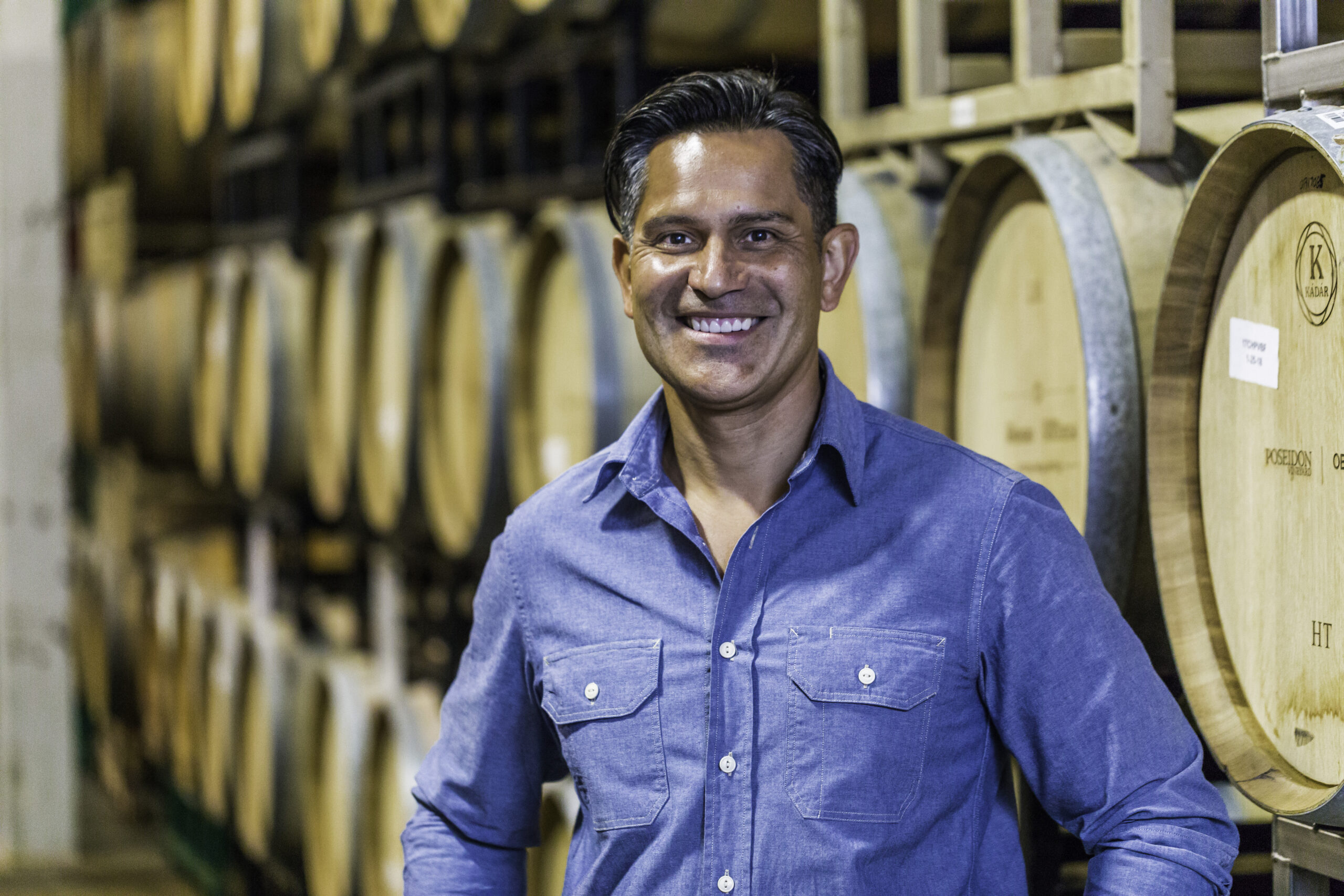
In the mid 1990s, California growers and winemakers all seemed to simultaneously fall in love with the wines of France’s Northern Rhone region; Peter Molnar was one of them. The savory, smoky, meaty personality was irresistible, especially in contrast to the moment when California Cabernet was leaning into the fruit-bomb style of the era.
This was the dawn of the Rhone Rangers. Syrah was destined to be the next big thing and was widely planted in coastal vineyards from Santa Barbara to Mendocino and everywhere in between.
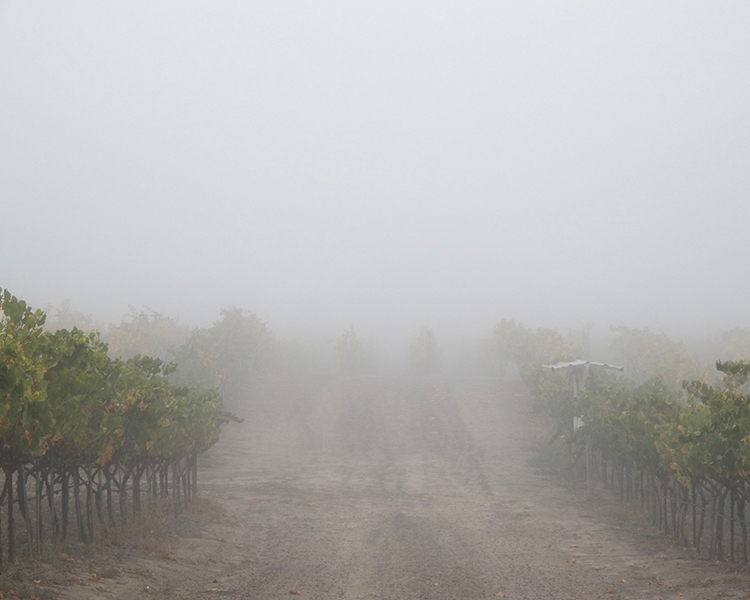
When we first planted Obsidian Ridge Vineyard on an old, abandoned walnut orchard in 2000, we knew the high altitude, steep volcanic hillside was ideal for growing Cabernet Sauvignon. But we were also convinced it would make an exceptional Syrah. With the help of the infamous John Caldwell, we planted five French clones of Syrah in a single block where the meager soil was augmented with the cinders of those old walnut trees.
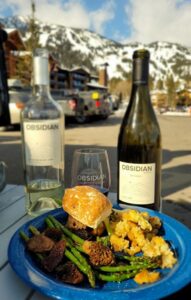
Those early vintages taught us quickly that farming on a volcano was very different than on lower elevation Napa hillsides–you could paint your house with the early Cabernets we produced. But from the very first crop, the Syrah was a show-stopper. Ultra silky berry flavors and a distinctive black olive and woodsmoke quality that for 20 years has made this our de facto wine pairing for Peter’s famous grilled lamb.
Unfortunately, this was not the style of Syrah that took hold in California. In the era of high-alcohol Zinfandels and over-extracted Cabernet, California Syrah became known for syrupy, over-the-top ripeness. And then along came Yellowtail Shiraz–the Australian candy-flavored, corporate-made behemoth that cost consumers less per bottle than most California wineries pay for their packaging.
The market for California Syrah ended as quickly as it had started, and wineries started using the grape to create Prisoner-style Red Blends and, heaven forbid, even blending Syrah into Pinot Noir to make it disappear.
But here is the thing…Syrah’s alleged weakness is in fact its strength. The grape is remarkably adaptable and highly variable. This means it can grow in many different climates and create very diverse AND excellent styles of wines.
The reason so many ‘epiphany’ stories are about Syrah is because it is never the same, the wine’s personality is very sensitive to the place where it was grown and the style in which it was made.
That variability makes for some wonderful surprises. But the lack of consistency also makes it hard as a consumer to know what an unfamiliar bottle will offer. It could be delightfully light and peppery. It could be compellingly dark, earthy and complex. Or it could be reminiscent of cherry cough syrup. Risky. But so very exciting and rewarding if you know where to look.
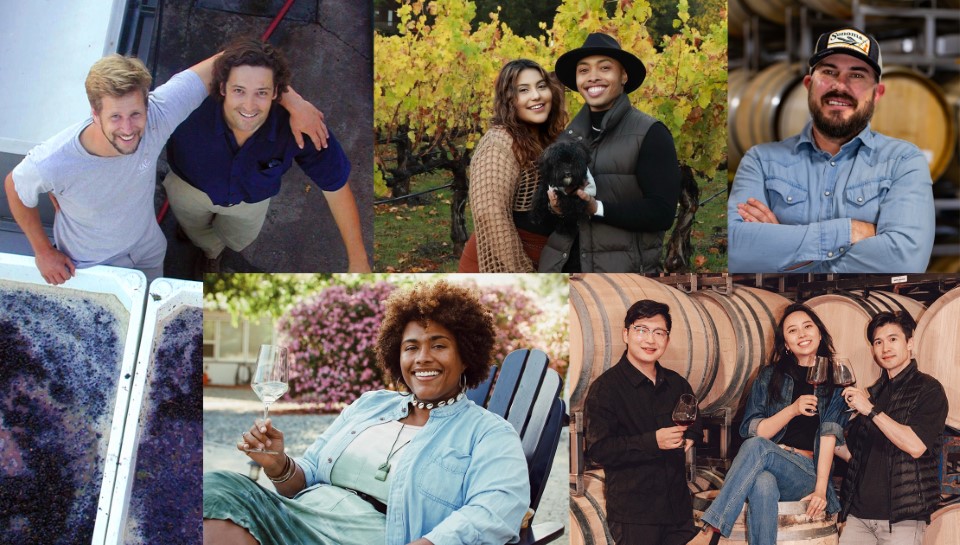
Honestly, it is kind of a blessing that this variety is not well suited to mass production. There are many small producers making intriguing Syrah in California. Many, like us, make Syrah as a limited iykyk bottling, just because we love it so much. We hope you love our Syrah too, and encourage you to seek out others as well. When you find one that moves you, buy it by the case! And let us know about it– we probably want to get some too.
Obsidian Lamb Burger
Ground lamb burgers with a garlic-parsley chimichurri, best paired with Obsidian Syrah.
Serves 4.
Ingredients
• 2 pounds ground lamb (preferably local)
• 1 shallot, finely chopped
• 1 teaspoons ground cumin
• 1 teaspoons dried sage
• 1 teaspoons Aleppo pepper
• 1 teaspoons salt, plus more to taste
• 0.5 teaspoons black pepper, plus more to taste
• 3 garlic cloves, minced
• 2 tablespoons lemon juice and/or white wine vinegar, combined
• 1 cups parsley, finely chopped
• 0.3 cups olive oil (for chimichurri)
• 1 tablespoons grapeseed oil (for searing)
Steps
1. Season and mix the lamb: In a bowl, combine the ground lamb with the chopped shallot (1 shallot, finely chopped), 1 teaspoons ground cumin, 1teaspoons dried sage, and a medium amount of 1 teaspoons Aleppo pepper. Season with 1 teaspoons salt, plus more to taste and 0.5 teaspoons black pepper, plus more to taste to taste. Mix evenly but don’t overwork it.
2. Form the patties: Gently form the mixture into 4 half-pound patties, being careful not to compact them too much.
3. Start the chimichurri base: Chop the garlic (3 garlic cloves, minced) and add it to a bowl with 2 tablespoons lemon juice and/or white wine vinegar, combined. Let rest for at least one hour to mellow the raw garlic.
4. Finish the chimichurri: After resting, finely chop the parsley (1 cups parsley, finely chopped) and mix it into the garlic mixture along with 0.3 cups olive oil (for chimichurri) to form a thick paste-like sauce. Season with salt and pepper to taste. Set aside.
5. Heat the pan: Warm a cast iron pan with 1 tablespoons grapeseed oil (for searing) until hot — test by flicking in a couple drops of water; they should pop and skitter across the surface.
6. Cook the burgers: Place the burgers in the pan, then turn the heat down to medium. Sear both sides, cooking to your liking with the center still pink.
7. Serve: Top or serve the burgers with the chimichurri sauce. Pour robust glasses of Obsidian Syrah and enjoy.